
Organic Farming
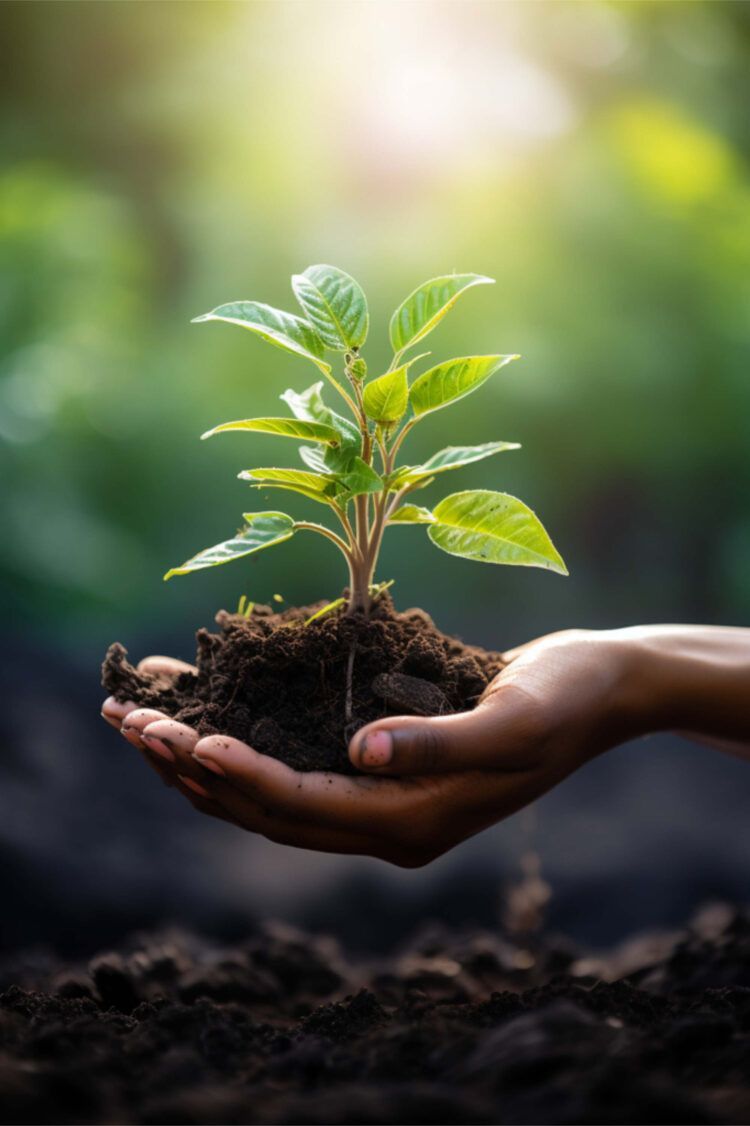
The Importance of Organic Farming
Organic farming is crucial for maintaining soil health and producing safe, chemical-free food. By avoiding synthetic fertilizers and pesticides, we protect the environment and promote biodiversity. Our methods focus on natural processes to enhance soil fertility and ensure a sustainable future for agriculture.
Our Organic Practices
Innovative Farming Techniques
Natural Composting
We utilize organic waste to create nutrient-rich compost, enhancing soil structure and fertility naturally.
Vermicomposting
Our vermicomposting process uses earthworms to convert organic matter into valuable soil amendments.
Crop Rotation
By rotating crops, we prevent soil depletion, manage pests, and improve soil health.
Chemical-Free Pest Management
We employ natural methods to control pests, ensuring a safe and healthy ecosystem.
Improved Soil Fertility
Our practices enhance soil fertility, leading to healthier crops and a balanced ecosystem.
Healthier Produce
Our organic methods result in safer, more nutritious food for consumers.
Discover the Benefits of Organic Farming
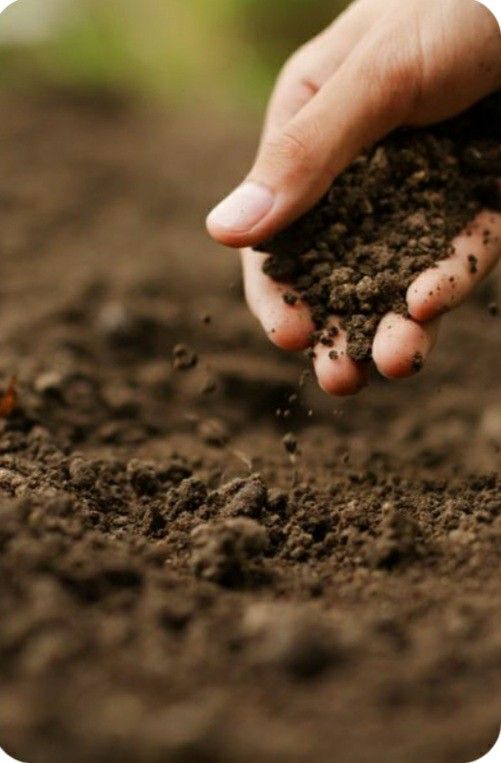
Enhanced Soil Fertility
Organic farming practices enrich the soil, promoting a thriving ecosystem that supports plant growth and biodiversity.
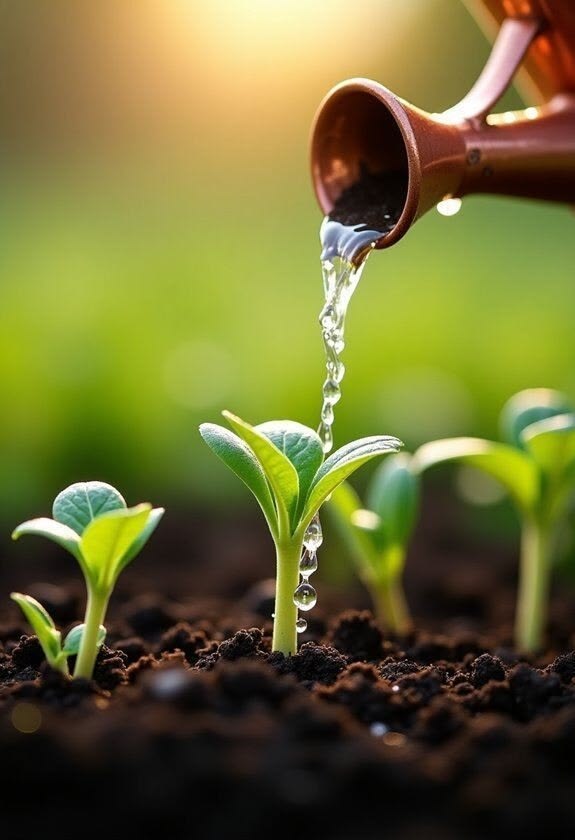
Healthier and Safer Produce
By eliminating harmful chemicals, organic farming ensures that the food you consume is both nutritious and safe for your family.
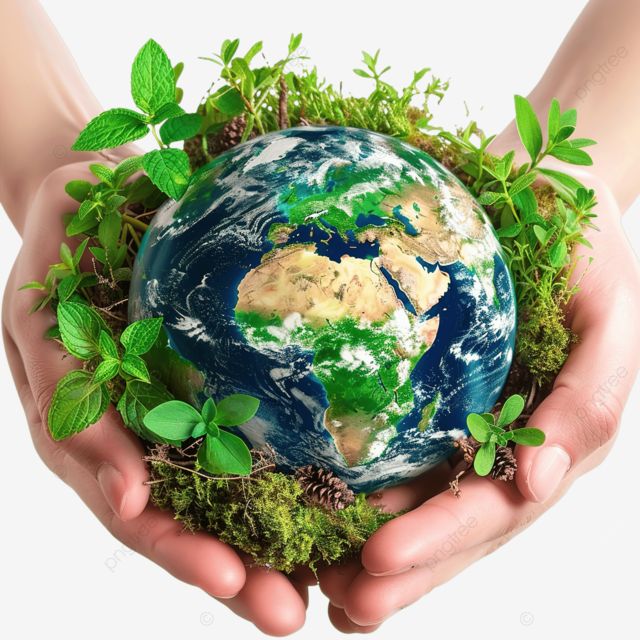
Sustainable Ecosystem
Organic farming fosters a balanced ecosystem, supporting wildlife and reducing environmental impact.