
Insect Rearing
Insect Rearing
Insects are also important in improving agricultural soil. Through their activity in the soil, dung beetles increase nitrogen, phosphorous, potassium, calcium and magnesium or total proteins content which significantly elevate the yield of plants relative to chemical fertilizers.
Why Insect Rearing is Important
- Enhances natural pollination
- Improves soil structure and fertility
- Controls harmful pests naturally
- Reduces chemical pesticide usage
- Supports biodiversity in farming ecosystems
🐝 Bees
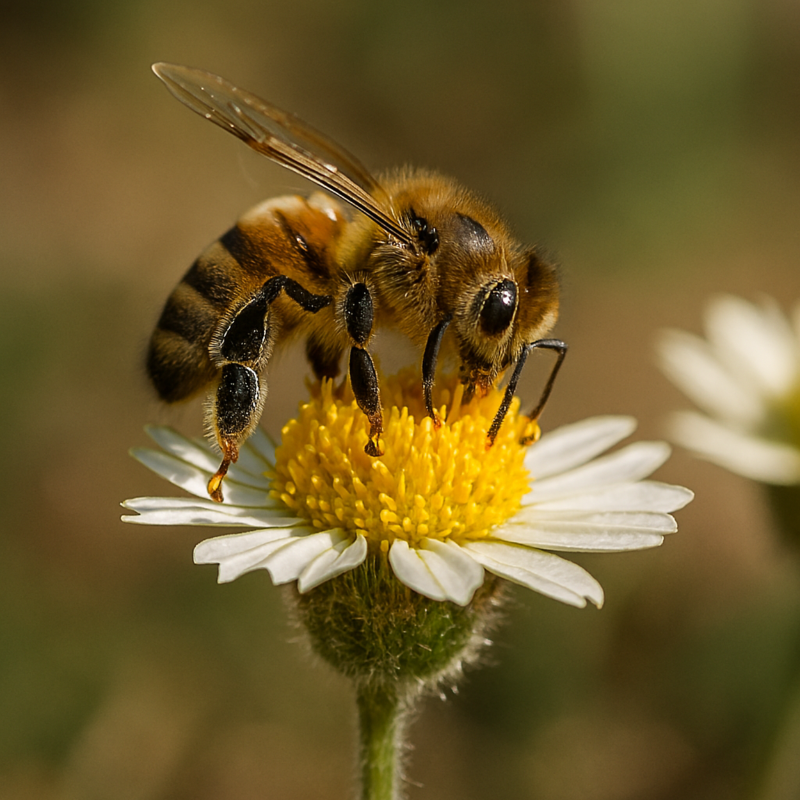
Bees are essential pollinators that significantly increase crop yield and quality. Proper pollination ensures better fruit formation and higher productivity in many vegetable and fruit crops.
Benefits:
-
Increased fruit set
-
Improved crop uniformity
-
Higher market value produce
🪱 Earthworms
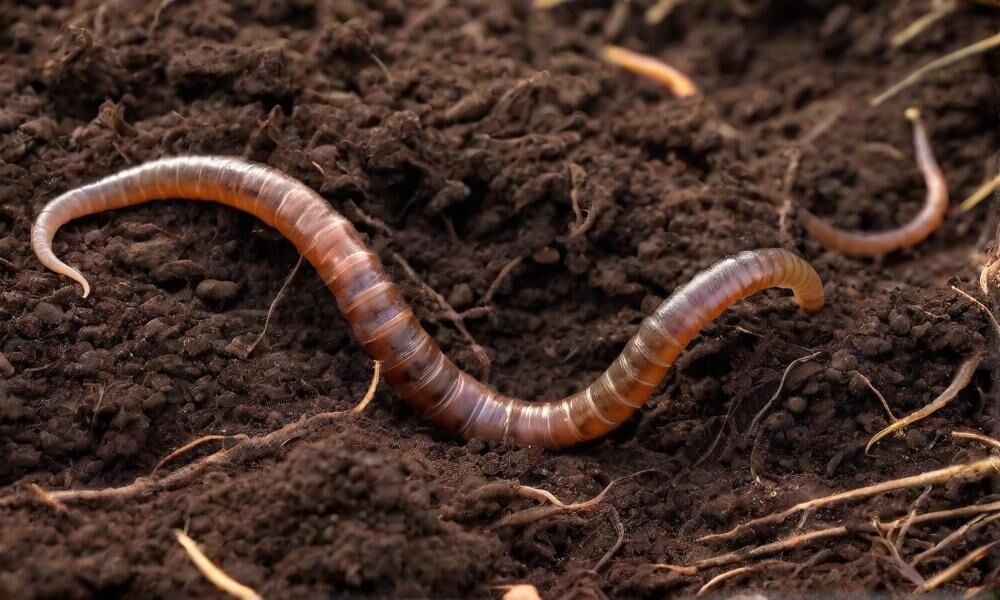
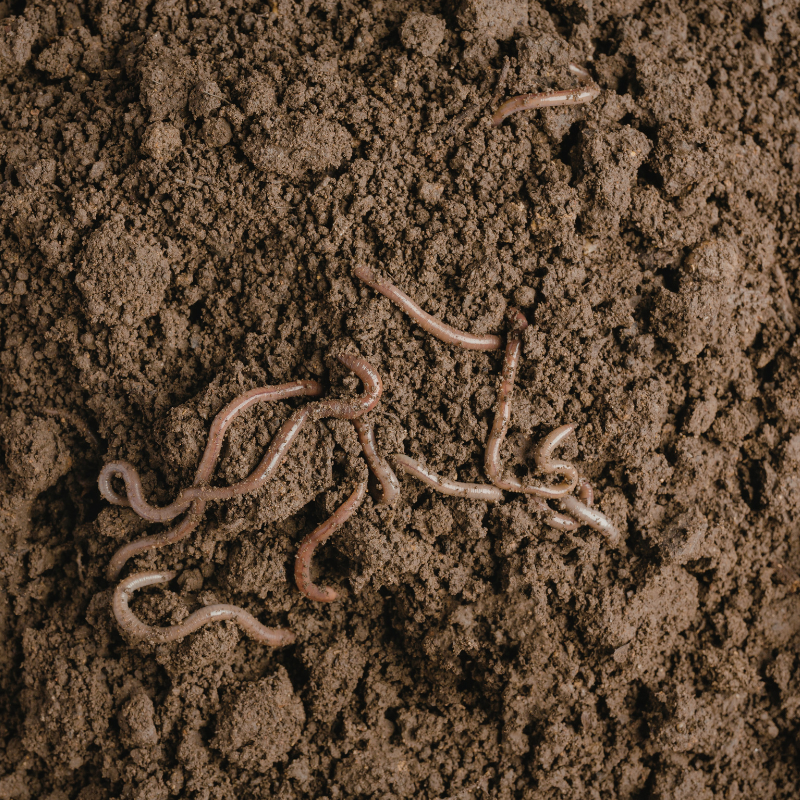
Earthworms are natural soil engineers. They improve soil aeration, enhance nutrient availability, and are key to vermicomposting systems.
Benefits:
-
Better root development
-
Improved soil fertility
-
Organic waste recycling
🐞 Ladybugs
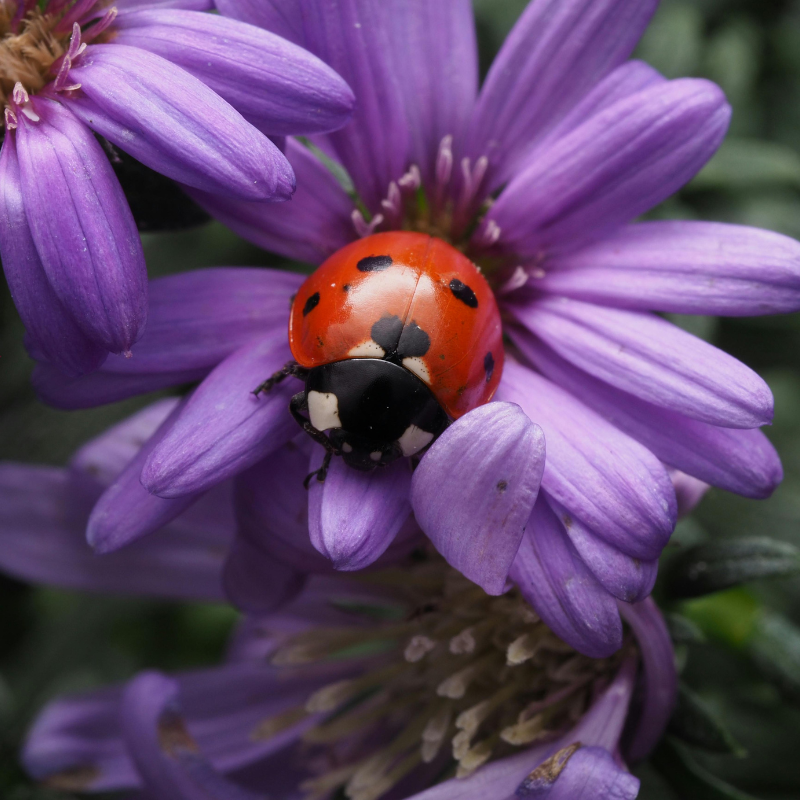
Ladybugs are natural predators of harmful insects such as aphids. They help maintain crop health without chemical sprays.
Benefits:
-
Natural pest control
-
Reduced pesticide cost
-
Healthier crop growth
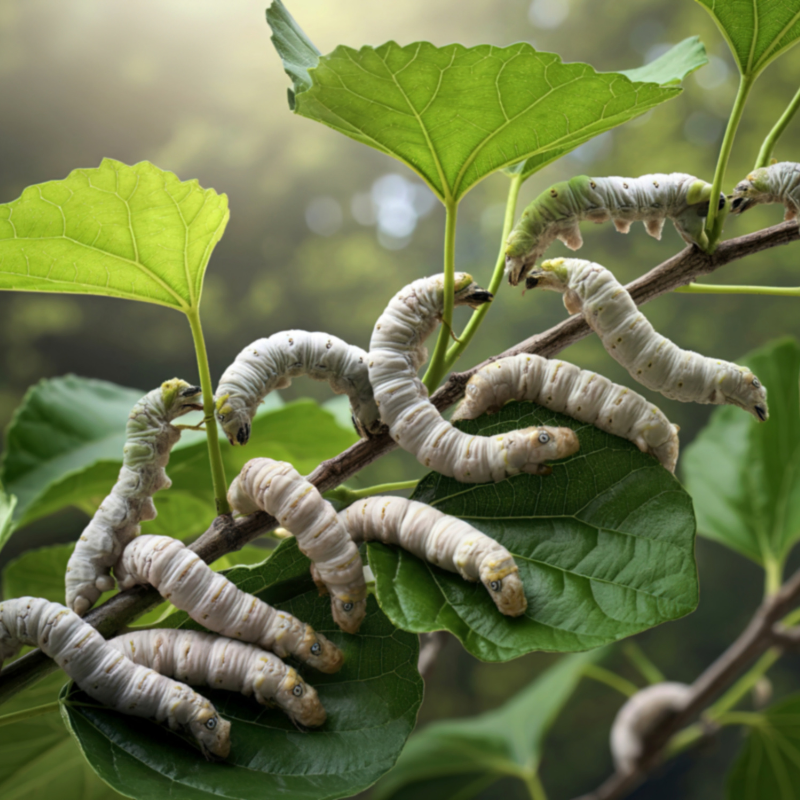
🦋 Silkworms
Silkworm rearing supports rural livelihoods and provides additional income opportunities for farmers. It is an eco-friendly agricultural activity linked to sericulture.
Benefits:
-
Additional income source
-
Low environmental impact
-
Supports rural economy